
The biohacker mitochondrial enhancing peptide, SS-31, just received FDA approval

SS-31 (brand name, Forzinity) was just granted US FDA accelerated approval for the rare mitochondrial disease, Barth Syndrome. Physicians have been prescribing SS-31 off-label for anti-aging and enhanced athletic performance in the US for some time. The implications of FDA-approval for compounding pharmacies and biohackers are unclear.
What is Barth Syndrome?
Barth syndrome is a rare (about 150 US patients) disease caused by mutations in the TAZ gene that alters the mitochondrial lipid, cardiolipin. It predominantly affects boys and causes muscle weakness, heart problems, and developmental delays. Patients do not typically live past age 40.
How does SS-31 work?
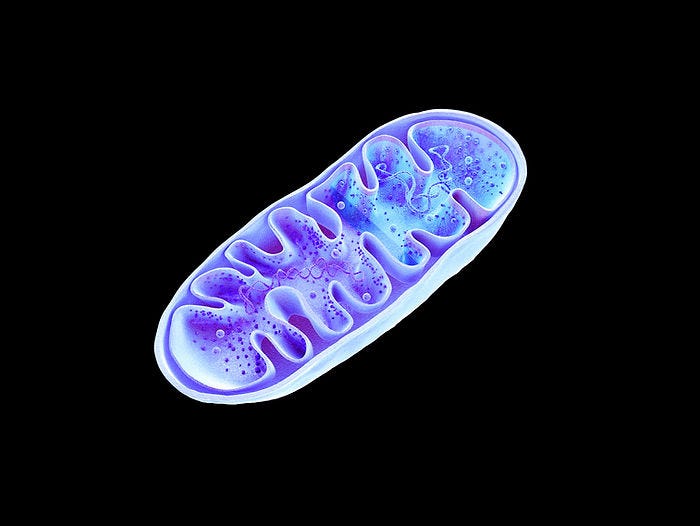
SS-31 works by reducing mitochondrial reactive oxygen species (ROS) and preventing the opening of the mitochondrial permeability transition pore that forms under mitochondrial stress. Opening of the transition pore can lead to mitochondrial swelling and bursting, damaging them irreparably.
The history of SS-31
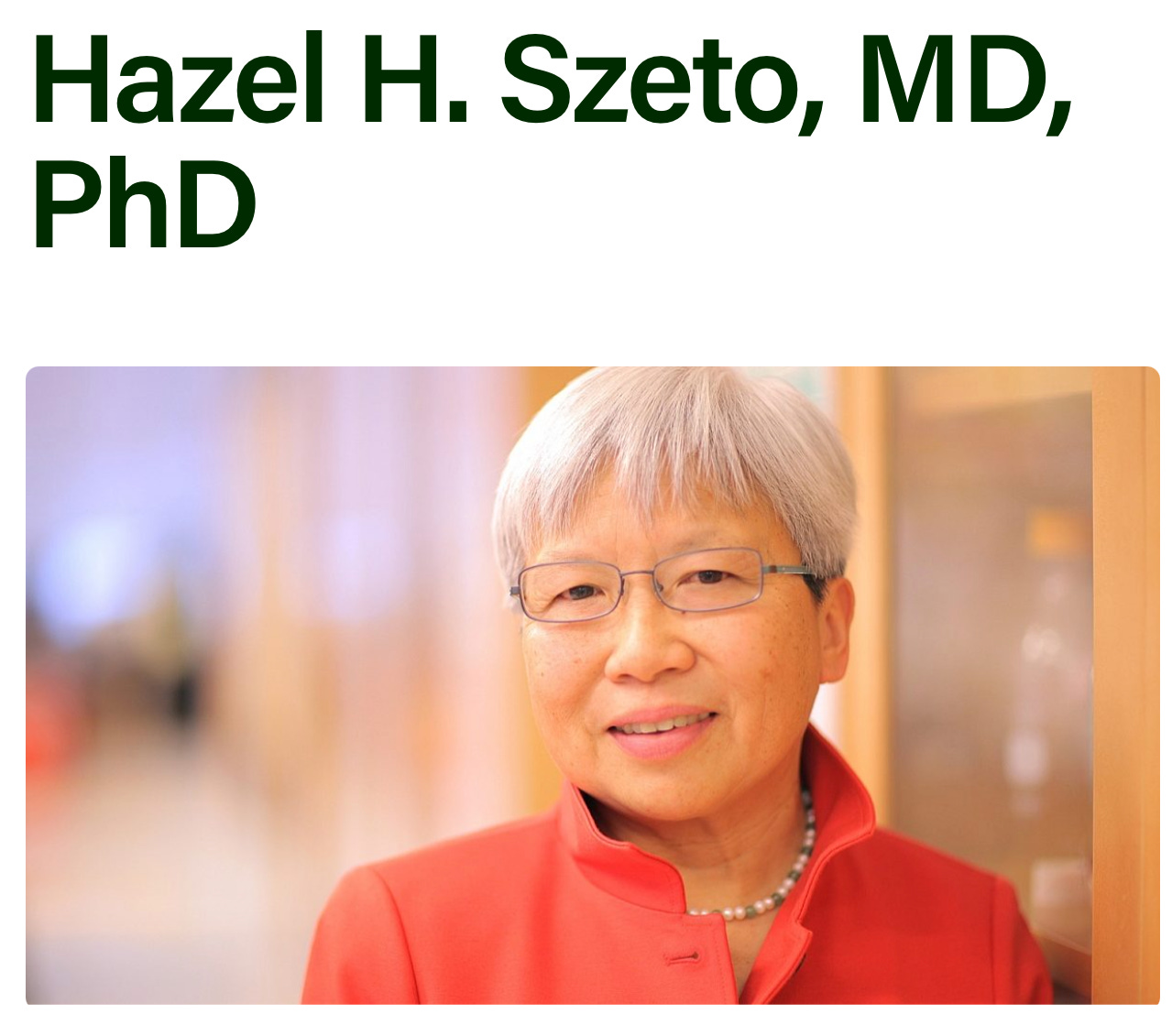
SS-31 was first discovered by (and named after) Dr. Hazel Szeto in the early 2000s, who spent the majority of her career serving as faculty at Weill Cornell Medical school. In 2006 she founded Stealth Biotherapeutics, the Massachusetts-based biotech that just gained FDA approval for SS-31 last month after a protracted path with regulators.
Clinical trial results showed very few safety concerns with SS-31 but the peptide missed its primary endpoint of significant improvement on a six-minute walk test. After multiple FDA submissions that nearly bankrupted the company, Forzinity was finally approved after demonstrating improved strength of the muscle used to straighten the leg at the knee. The FDA said the improvement likely predicted better clinical outcomes, “such as an ability to stand more easily or walk farther.”
Forzinity is the first and only FDA approved treatment for Barth Syndrome.
SS-31 has previously failed clinical trial endpoints for efficacy for the treatment of mitochondrial myopathy and for heart failure. Notably, it had minimal safety signals in those trials.
Why are biohackers and longevity enthusiasts using SS-31?
In the words of Dr. Szeto in her 2014 review paper “SS-31 represents a new class of compounds that can recharge the cellular powerhouse and restore bioenergetics. Extensive animal studies have shown that targeting such a fundamental mechanism can benefit highly complex diseases that share a common pathogenesis of bioenergetics failure…Defects in energy metabolism represent a common thread among many age-associated complex diseases…As energy output declines, the most energetic tissues are preferentially affected, resulting in degenerative changes in the CNS, heart, kidney and muscle.”
SS-31 has shown benefits in numerous animal studies including for cognitive decline and in Alzheimer’s mouse models.
Claims by those selling SS-31 include:
1. Mitochondrial Repair & Longevity Boost
2. Enhances Energy & Reduces Fatigue
3. Powerful Anti-Aging & Neuroprotective Effects
4. Muscle Recovery & Performance Enhancement
5. Cardiovascular & Metabolic Health Optimization
How does the approval of SS-31 affect the ability to obtain it for the general public?
Compounding pharmacies sell “research-grade” peptides, typically. These are not regulated (much) by the US FDA and can be plagued by impurities. I would suggest caution when considering their purchase for longevity purposes.
The US FDA has sent out letters this month warning compounding pharmacies about peptide manufacturing, mostly related to the GLP1-RAs. It is unclear how much regulation will be enforced for peptide compounding going forward.
My take
Overall I am happy that there is now an approved medication for Barth Syndrome. I am cautiously optimistic that SS-31 will also be helpful in other mitochondrial disorders.
I think SS-31’s FDA approval lends validity, and more importantly, safety data, for its use in longevity. We still need larger human studies to show long-term efficacy and safety for age-related declines in the brain, muscle, and heart. This approval is the first step towards that broader goal.
I would be very careful of sourcing of this peptide if people do choose to purchase it before we have all of the data and the ability to obtain a prescription for clinical grade SS-31. Impurities and manufacturing issues can be a serious problem in peptide compounding.
I personally will be waiting for additional data in the next 10 years to try this peptide. I am encouraged by the increased leg strength in the small 10 person Barth Syndrome trial but the failure to demonstrate efficacy in 6 minute walk test and the lack of efficacy in earlier trials for mitochondrial myopathy and heart failure leave me far from convinced that this peptide will have large benefits in healthy people. Combined with the difficulty in obtaining pure sources of the peptide and the potentially large price tag that comes with this medication, I am not sold on it at this moment for myself.
If I was suffering from a condition that had mitochondrial issues at its heart, I would certainly consider taking SS-31.
It does seem surprising to see a phase 3 with such a small n, but Barth is very rare. The subject ages seem to be mid-to-late tens through early adults. Quite a lot of people with Barth die in infancy and more don't make it to adulthood. Looks like there are only 100-200 adults w/ Barth in the US. So that explains why the study n was so small.
Nice job reviewing some of the other trials in which the therapy failed, but I think you are being too one-sided: You could also have pointed out some of the other ongoing trials in which it's still being evaluated for other indications, at least one of which is in phase 3 so presumably had positive ph2 data. That's for dryAMD (ReNew trial). And yes, I see the positive ph2 trial record there too.
For mito myopathy it looks like the story isn't as simple as just failure: It looks like the failed ph3 MMPOWER-3 trial, rather than leading to conceding defeat instead lead to another phase 3 for mito myopathy, the NuPower trial (NCT05162768) for which I don't see results yet. (And this is after presumably positive ph2 results.)
Also, looks like the heart failure trial failure you mention was a phase 2, so you could presumably also try to comprehensively review other positive phase 2s it had. I haven't done that so not sure if there are any for conditions not yet mentioned here.
Great summary. Thank you!!